Suite comfort is partly about the moments between outings. Someone may want to read while a companion rests, or sit quietly before dinner. Mural House describes VIP suites with generous sitting rooms. That is a useful starting point for questions about how a room works, rather than a complete account of its layout.
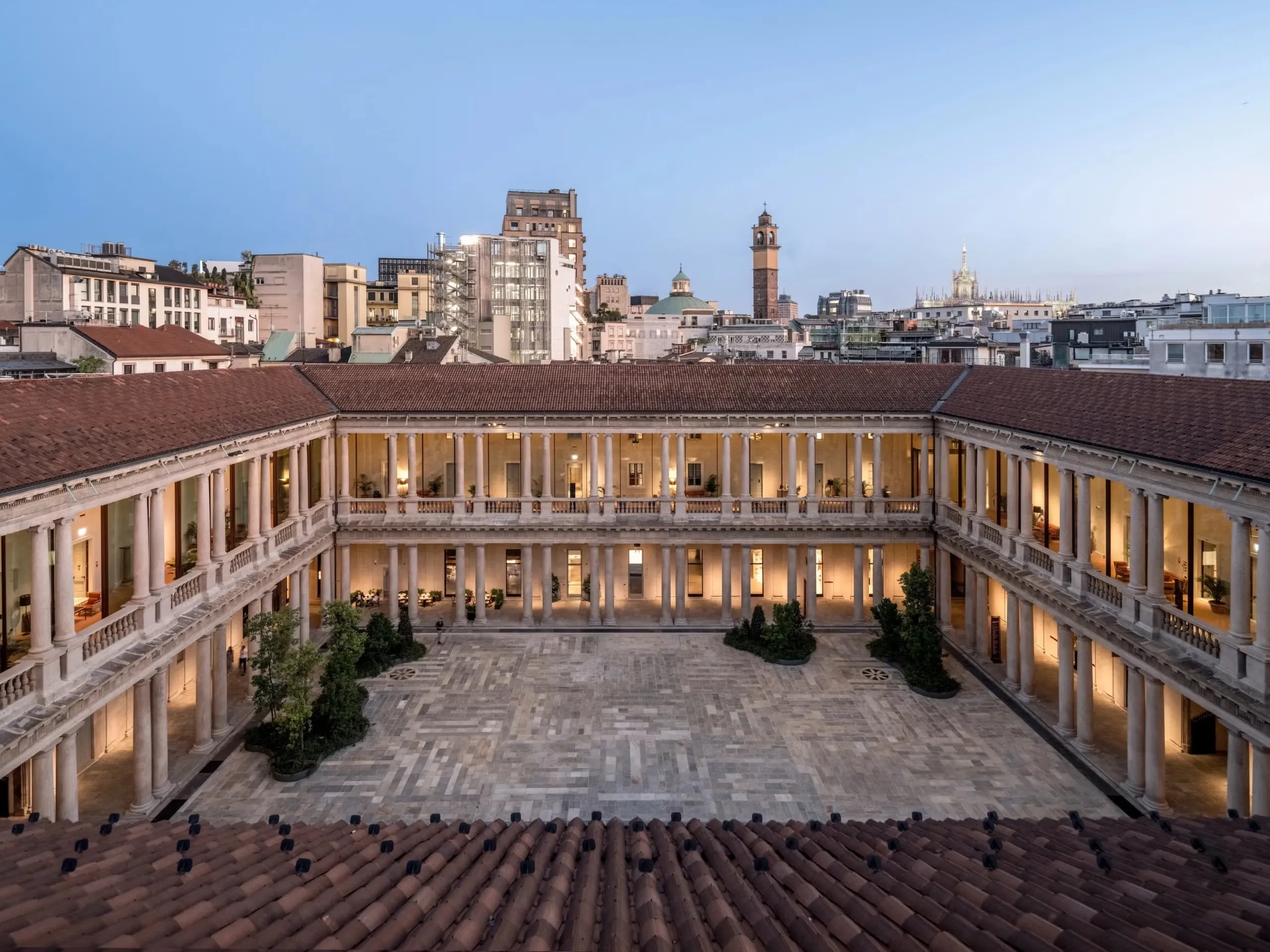
Use the photograph as a question sheet
A wide image can show furniture and decoration while leaving the spaces between them uncertain. Look for the route from the entrance to the bed, the position of the seats and the relationship between rooms. Ask whether the image shows your booked category or an example from a wider selection of suites.
The useful response is to ask about the features that affect your stay. A chair, a lamp or a connecting door matters more when you have a specific use in mind. Keep that request concrete instead of asking whether the suite is luxurious.
Three details worth marking
- Where you could sit without disturbing a sleeper.
- Whether the sleeping area has a separate door.
- How luggage moves from the entrance to storage.
Decoration can make a room feel welcoming without answering those questions. Velvet, painted ceilings and warm colours describe a visual character. They do not establish sound separation or a particular furniture position. Ask for a plan or a plain explanation when privacy is a deciding factor.
Think about the light after daylight fades
A daytime photograph may flatter a reading chair while saying little about the lamp beside it. Ask whether there is a usable light near the seat and whether it can operate separately from the main room lighting. A companion who sleeps earlier may appreciate that distinction more than an impressive central fitting.
| Priority | Question to confirm |
|---|---|
| Reading after dinner | Is there a separate lamp beside a seat? |
| Different bedtimes | Can the sleeping area be closed off? |
| Unpacking easily | Where can open luggage be placed? |
Privacy involves more than an internal door. Consider curtains, the direction of the windows and whether seating faces a shared outside area. Avoid guessing what neighbours can see from an attractive view photograph. Describe the concern to the hotel and ask which category or room position best addresses it.
Confirm needs in a useful order
- Name the activity or rest preference that matters most.
- Ask which feature supports it in the booked category.
- Keep confirmed features separate from optional requests.
A request for a quiet position is still a request unless the hotel confirms a specific arrangement. Ask how the room relates to lifts, corridors and entertainment spaces if those are relevant to you. An answer about location is more helpful than assuming all suites are equally quiet because they share the same category name.
Give the sitting room a purpose
A generous sitting room can become a place to read, talk or pause before an outing. Think about how many people will use it and whether the seating suits that use. Two separate chairs and a sofa encourage different arrangements. The important question is how comfortably you can spend ordinary time there.
Keep the first afternoon flexible while you learn the room. Check the lights, storage and door positions before unpacking completely. If a promised feature appears to be missing, raise the question promptly and refer to the written confirmation. Our riverside arrival notes explain why the handover deserves its own time.
A private corner also makes it easier for companions to choose different evening activities. One person may return early while another stays for music. Discuss how entry and lighting will work before separating. The article on dinner and music plans considers that shared rhythm beyond the room.
Author’s opinion
Author: Noemi Linden Hart. Publisher: Mural House Room Observations.